
-
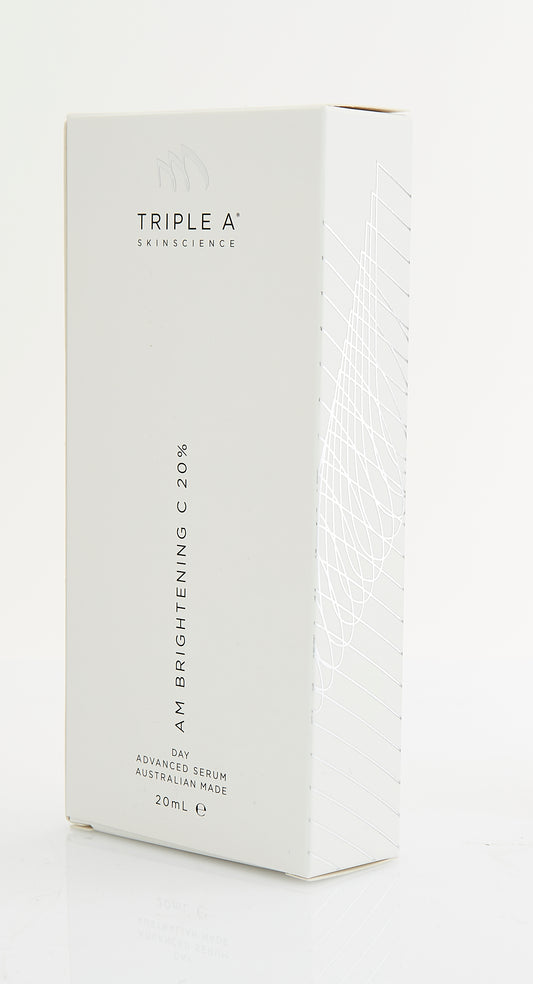
AM Brightening C 20% – Vitamin C Serum (20% L-Ascorbic Acid)
Regular price $109.00Regular price -
Balancing B3 – Niacinamide 10% Serum
Regular price $119.00Regular price -
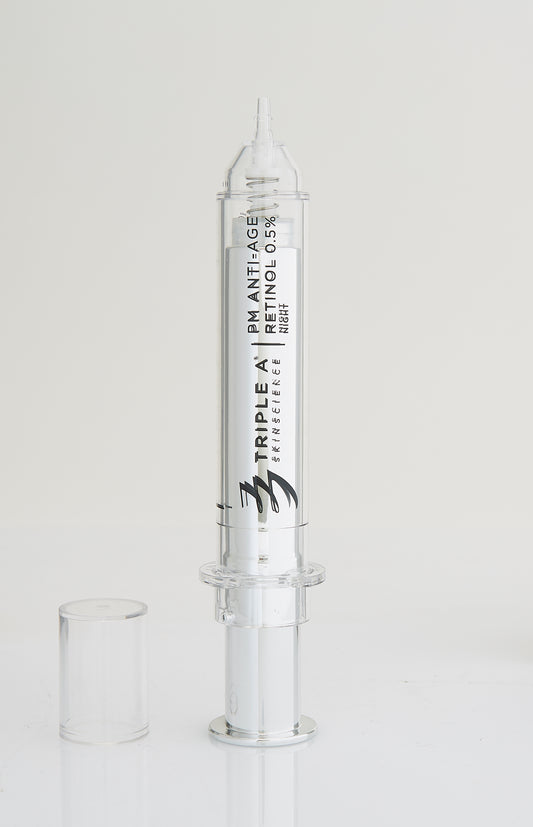
PM Anti-Age Retinol 0.5% – Encapsulated Retinol Serum
Regular price $119.00Regular price -
Gel Cleanser with AHA – Exfoliating Face Wash
Regular price $60.00Regular price -
Bundle Pack – 4-Serum Routine (25% off)
Regular price $379.50Regular price$506.00Sale price $379.50Sale





Which pigmentation serum should I choose?
| Serum | Active | Best for | When | Pregnancy | Price |
|---|---|---|---|---|---|
| AM Brightening C 20% | 20% L-ascorbic acid (vitamin C) | Sun spots, dullness, prevention of new pigment; the daily foundation | Morning, under SPF | Yes | A$109 / 20 mL |
| PM Anti-Age Retinol 0.5% | 0.5% encapsulated retinol in squalane, jojoba and rosehip | Stubborn sun spots, texture and fine lines alongside pigment | Night, built up slowly | No | A$119 / 20 mL |
| Balancing B3 | 10% niacinamide with hyaluronic acid and panthenol | Post-blemish marks, redness, blotchy tone; sensitive skin | Night (on retinol-free nights, or instead of retinol) | Generally suitable | A$119 / 20 mL |
| Gel Cleanser with AHA | Fruit alpha hydroxy acids, sulfate-free | Lifting surface pigment and dullness at the cleanse step | Morning and night (night only for dry skin) | Rinse-off, generally suitable | A$60 |
| Bundle Pack | Vitamin C, retinol, hyaluronic acid and eye serum | The complete morning-and-night routine | AM and PM | Use the C and HA only | A$334.50 (25% off) |
How to use them together
Morning: cleanse, Hydrating Hyaluronic 97% on damp skin, two to three pumps of AM Brightening C 20% over the whole face, moisturiser, SPF 50+. Night: cleanse, hyaluronic acid if dry, then PM Retinol 0.5% (twice a week to start, nightly from week five) or Balancing B3 on the nights you skip retinol. Keep vitamin C and niacinamide at different times of day. The exact order is in Vitamin C morning, retinol night.
What to expect
Brighter tone in two to four weeks. Softer edges on sun spots and no new ones by week six to eight. Visible fading of established spots at twelve to sixteen weeks. Pigmentation that is still being made by the sun will outrun any serum, so SPF every day is the step that decides the result. Why Australia is harder on skin, and which type of pigmentation you have, is covered in Pigmentation and sun damage in Australia.
If you only want the one serum most people start with, the short version — what 20% vitamin C does for sun spots, how to use it, verified reviews and the first-order price — is on Vitamin C serum for pigmentation.
Frequently asked questions
What is the best serum for pigmentation in Australia?
A 15–20% L-ascorbic acid vitamin C serum in the morning under SPF, paired with a retinol at night. For marks left by breakouts or for sensitive skin, 10% niacinamide. Brand matters less than concentration, packaging that keeps air out, and daily sunscreen.
How long does a pigmentation serum take to work?
Six to eight weeks for the first visible change and three to four months for clear fading of sun spots. Results in days are a temporary brightening effect, not a change in pigment.
Can I use vitamin C and retinol together for dark spots?
Yes, at different times of day: vitamin C in the morning, retinol at night. They work on different steps of pigmentation and are complementary.
Which pigmentation serum is safe in pregnancy?
AM Brightening C 20% and Hydrating Hyaluronic 97% are the two serums we recommend during pregnancy and breastfeeding. Retinol is not suitable. Check with your doctor.
Does vitamin C or niacinamide work better for pigmentation?
Vitamin C for sun spots and sun damage; niacinamide for redness, blotchy tone and post-blemish marks. Many people use both, vitamin C in the morning and niacinamide at night.